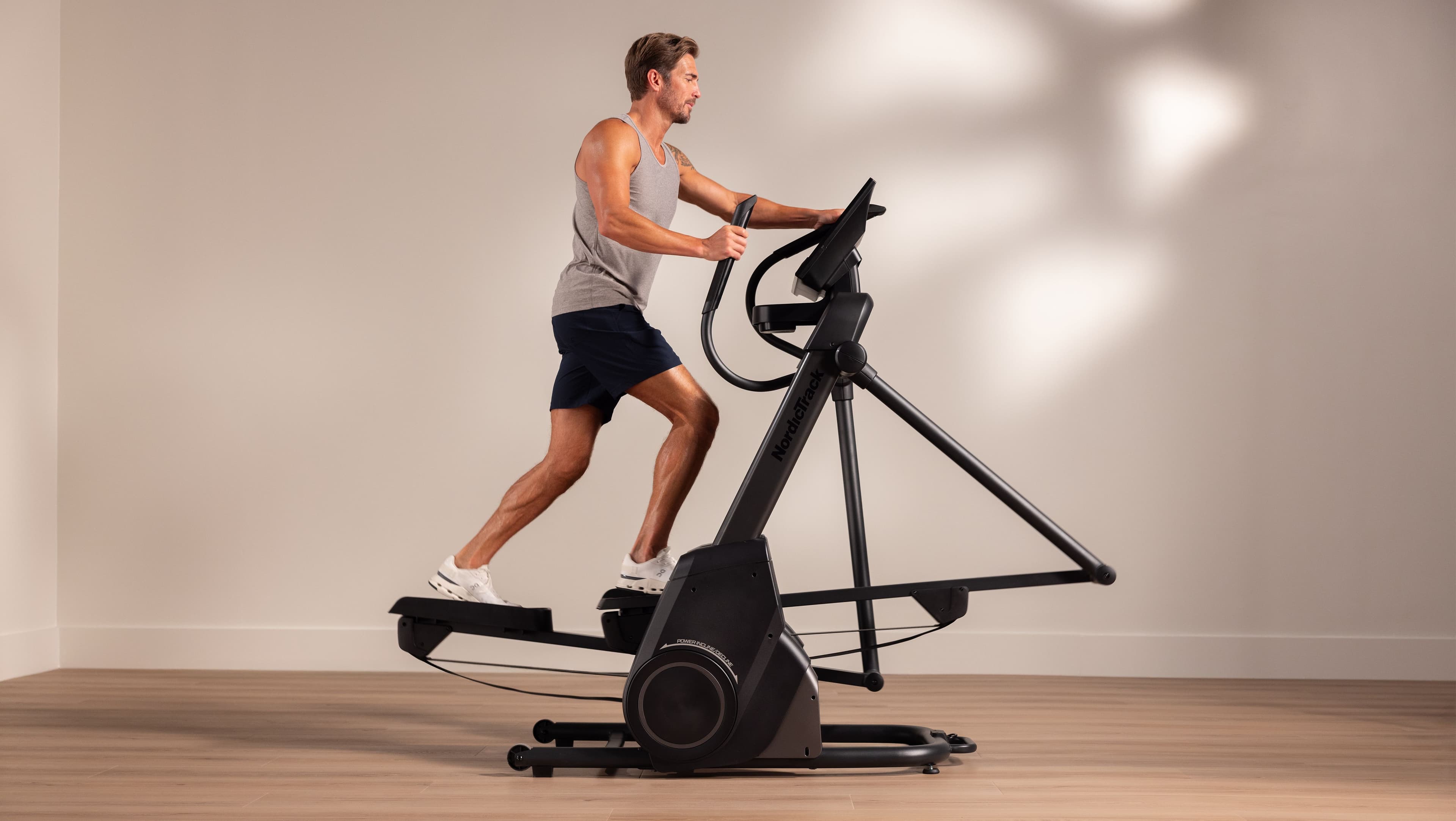
NordicTrack X16 Elliptical Review: One Machine, Three Ways To Move
The NordicTrack X16 Elliptical blends stepper, elliptical, and treadmill-style motion on one frame, with a 32-inch stride and 26 resistance levels built for workout variety.
Exercise Bike Buying Guides
Spin classes, easy daily rides, or a small room? Start with how you want to ride.
An exercise bike buying guide is a short set of questions that match how you want to ride to the features that matter. Start with the type of bike: upright, recumbent, or indoor cycling. Then check resistance, adjustability, footprint, noise, and what any membership costs after the first period. When you are ready to compare specific bikes, read our exercise bike reviews.
If You Want To | Look For |
|---|---|
Take spin-style classes | An indoor cycling bike with a weighted flywheel, adjustable seat and handlebars, and pedals that suit your shoes |
Ride at an easy pace most days | A magnetic-resistance bike with a comfortable seat and low noise |
Sit back while you ride | A recumbent bike, which has a backrest and a reclined seat, and a step-through frame that is easy to get on |
Train intervals | A wide resistance range and a drive that stays smooth during hard efforts |
Save space | A compact footprint, transport wheels, and the dimensions in the manual |
Follow guided workouts | A screen or tablet holder, included classes, and what the membership costs after the first period |
Share one bike | A wide adjustment range for the seat and handlebars, and a weight capacity that covers every rider |
Category | Weight In Our Reviews | What To Check |
|---|---|---|
Performance | 30% | Resistance range, how smooth the resistance feels, and flywheel weight. The lowest level should suit a warm-up and the highest should challenge you. |
Build Quality | 20% | Frame stability, rated rider weight, and warranty terms for the frame, parts, and labor. |
Features | 15% | Screen or tablet holder, class library, automatic resistance, and which of these need a paid membership. |
Comfort | 15% | Seat, handlebar, and pedal adjustment range, and whether the bike fits your height. |
Value | 10% | What the price includes, such as delivery and assembly, plus the first period of any membership. |
Noise | 10% | How loud the resistance system, drive, and pedals are, which matters for apartments and shared walls. |
Each review here uses the same 6 categories, which lets you set two bikes side by side.
Some physical activity is better than none. [1] Adults who sit less and do any amount of moderate- or vigorous-intensity physical activity gain some health benefits. [1] You can also break your activity up into smaller chunks of time. [1] A bike you will ride regularly makes those shorter sessions easier to fit in.
Reviews and comparisons that cover specs, scores, and tradeoffs for specific bikes.
Choosing an exercise bike
Some bikes tie their screen, classes, and automatic resistance to a paid membership, while others ride fine without one. Before you buy, check what works without it, what the first period includes, and what renewal costs.
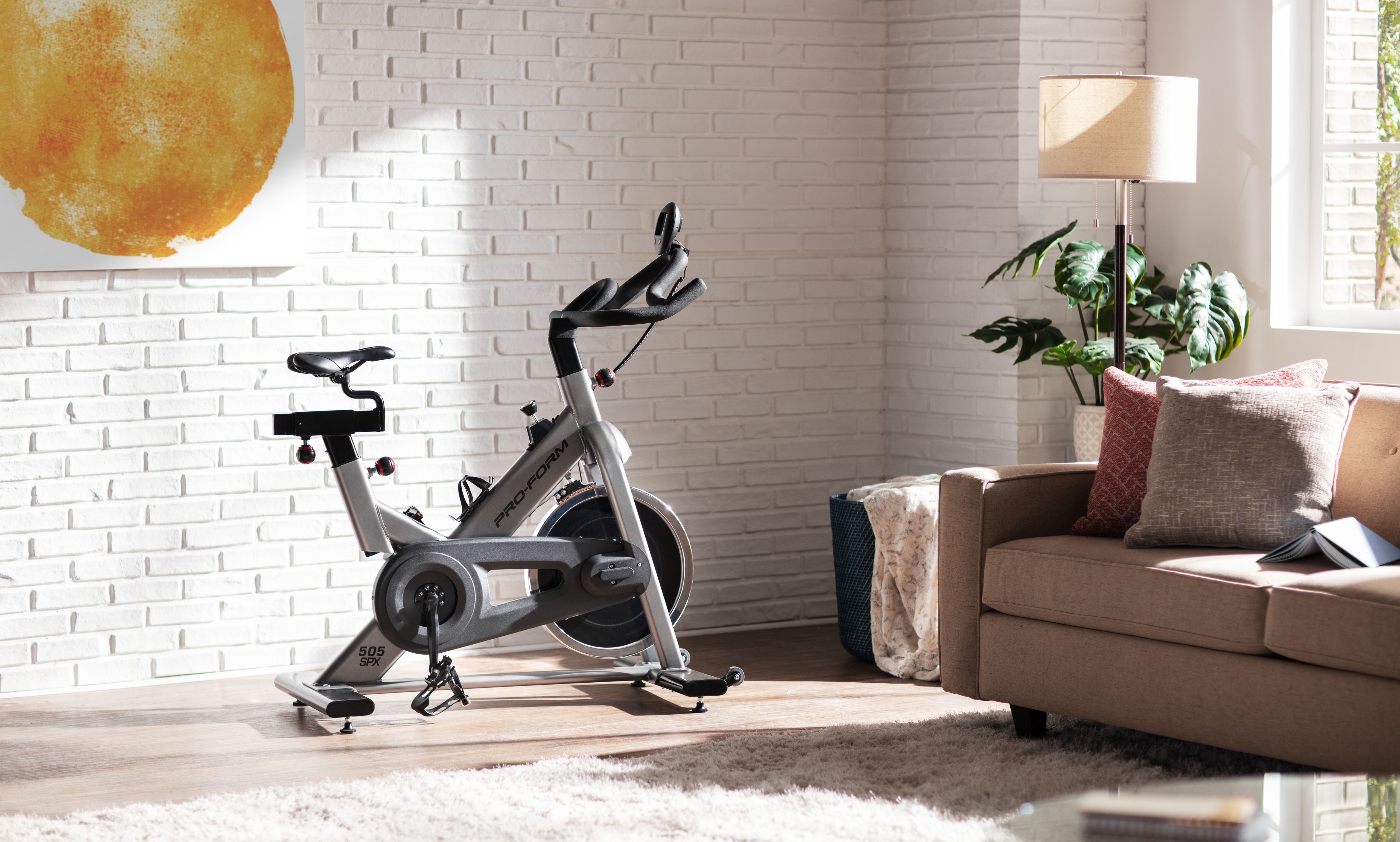
On an upright bike you sit above the pedals on a saddle. On a recumbent bike you sit lower and further back, on a seat with a backrest.
Magnetic resistance uses magnets near the flywheel without touching it, which generally means quieter, smoother changes. Friction resistance presses a pad against the flywheel, and the pad wears over time.
The flywheel is the weighted wheel the pedals spin. A heavier flywheel generally carries momentum more smoothly through each pedal stroke, but weight alone does not decide how a bike feels. Check the resistance range and the reviews too.
